
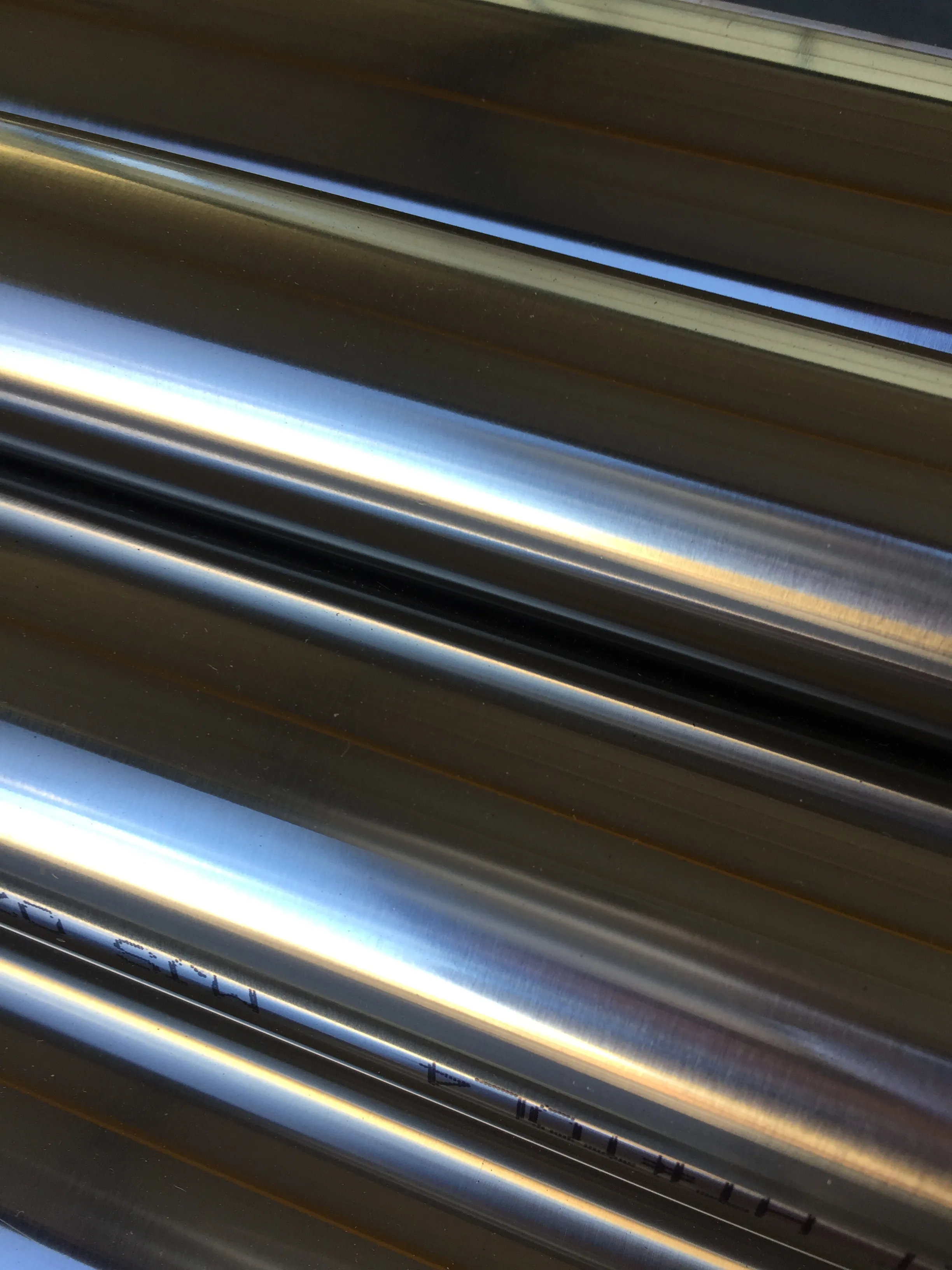
What Is Passivation?
Passivation is a chemical treatment process used to improve the corrosion resistance of stainless steel. The process removes free iron and other surface contaminants that can lead to rust, staining, or premature corrosion while helping restore the chromium-rich surface that gives stainless steel its corrosion-resistant properties.
Although stainless steel is naturally resistant to corrosion, its surface condition can be affected by fabrication, welding, machining, maintenance activities, and even normal operation in demanding service environments. Passivation helps restore and maintain the protective surface so the material can continue performing as intended.
Why Is Passivation Important?
A common misconception is that stainless steel cannot rust. In reality, stainless steel can corrode when its protective surface becomes contaminated or degraded.
Contamination may occur during:
- • Welding and fabrication
- • Machining and grinding
- • Handling with carbon steel tools
- • Installation and construction activities
- • Maintenance and repair work
However, contamination can also develop during normal service. Over time, process chemicals, cleaning agents, product residues, environmental exposure, and routine wear can affect the stainless steel surface and reduce corrosion resistance.
For this reason, passivation is often performed not only on newly fabricated equipment, but also as part of ongoing maintenance programs for critical systems.
Benefits of passivation include:
- • Improved corrosion resistance
- • Reduced risk of rust and staining
- • Extended equipment life
- • Improved surface cleanliness
- • Compliance with customer and industry specifications
- • Support for maintenance and asset reliability programs
How Does Passivation Work?
Stainless steel contains chromium, which reacts with oxygen to form a thin, invisible chromium oxide layer on the surface. This passive layer protects the underlying metal from corrosion.
Fabrication processes, contamination, and prolonged service can disrupt this protective surface. During passivation, the stainless steel is chemically treated to remove free iron and other contaminants while preserving the chromium-rich base material.
Once the contaminants have been removed, the chromium oxide layer reforms naturally, restoring the surface's corrosion-resistant properties.
When Is Passivation Performed?
Passivation is commonly performed:
- • After fabrication
- • After welding
- • After machining
- • Before equipment is placed into service
- • Following repairs or modifications
- • During facility shutdowns
- • As part of preventive maintenance programs
- • After derouging or system cleaning activities
Many industries treat passivation as a lifecycle maintenance activity rather than a one-time manufacturing step.
Industries That Commonly Use Passivation
Passivation is widely used throughout industries where stainless steel equipment must remain clean, corrosion-resistant, and reliable over long service lives.
Examples include:
- • Pharmaceutical manufacturing
- • Biotechnology
- • Food and beverage processing
- • Semiconductor manufacturing
- • Aerospace and defense
- • Water and wastewater treatment
- • Energy and hydrogen systems
- • Chemical processing
- • Mechanical and process contractors
In these industries, passivation is often performed both during initial fabrication and throughout the life of the equipment.
Passivation as Part of Long-Term Asset Maintenance
Passivation is not simply a finishing process for new stainless steel components. It is also an important maintenance tool used to preserve the performance and longevity of existing equipment.
As systems age, exposure to operating conditions, cleaning chemicals, repairs, and routine maintenance can gradually affect surface condition. Periodic passivation helps restore corrosion resistance and maintain the integrity of stainless steel systems throughout their service life.
This is why passivation is commonly specified during facility turnarounds, shutdowns, equipment upgrades, and maintenance projects in addition to new construction and fabrication work.