
What Is ASTM A967?
ASTM A967 is the primary industry standard governing chemical passivation of stainless steel. Published by ASTM International, it defines accepted treatment methods and testing procedures used to improve corrosion resistance after fabrication, welding, machining, or service.
When a drawing, specification, or purchase order calls for "passivation per ASTM A967," it means the stainless steel must be treated using one of the approved methods defined in the standard and, where required, verified through an approved acceptance test.
The standard is widely referenced in aerospace, pharmaceutical, biotechnology, food processing, semiconductor, medical device, energy, and general manufacturing industries.
Why Passivation Gets Specified
Stainless steel forms a protective chromium oxide layer naturally, but fabrication, welding, grinding, and service exposure can disrupt that surface. Free iron contamination introduced during machining or contact with carbon steel tools is a common culprit. Left untreated, contaminated surfaces rust even when the base material is otherwise corrosion-resistant.
Passivation is commonly specified for:
- • Post-fabrication treatment
- • Post-weld cleaning
- • Free iron contamination removal
- • Restoring corrosion resistance
- • Compliance with customer specs
- • Maintenance of existing systems
What ASTM A967 Covers
ASTM A967 does not prescribe a single passivation process. Instead, it defines multiple approved treatment options so the right method can be selected based on material grade, application, and customer requirements.
Citric vs. Nitric Passivation
ASTM A967 recognizes both citric acid and nitric acid passivation. Both are valid when performed correctly. The right choice depends on the application, material, and what the customer specifies.
Citric Passivation
- • Effectively removes free iron
- • Excellent corrosion resistance results
- • No nitric acid fumes
- • More environmentally friendly
- • Works across most stainless grades
Nitric Passivation
- • Long history of industrial use
- • Broad industry acceptance
- • Established qualification data
- • Still required by some legacy specs
Acceptance Test Methods
ASTM A967 includes several acceptance tests that may be required to verify passivation was performed correctly. Not every job requires testing. The need depends on the customer specification, quality requirements, and application.
Water Break Test
Checks surface cleanliness. Water forms a continuous sheet across a clean, properly passivated surface rather than beading up.
High Humidity Test
Parts are exposed to a controlled humid environment for a set period. Corrosion or staining indicates a failure.
Copper Sulfate Test
Detects residual free iron on the surface. A color change indicates iron contamination is still present.
Salt Spray Test
Accelerated corrosion testing used when a higher level of verification is required by the specification.
Free Iron Testing
Direct evaluation of whether iron contamination remains on the surface after treatment.
ASTM A967 vs. ASTM A380
These two standards come up together often enough that the difference is worth knowing clearly.
Many projects reference both standards together: A380 for general cleaning and surface preparation guidance, A967 for the passivation process and verification.
Where ASTM A967 Is Commonly Specified
The standard appears across a wide range of industries and applications:
- • Process piping and piping spools
- • Pharmaceutical and biotech systems
- • Food and beverage processing equipment
- • Aerospace components
- • Semiconductor infrastructure
- • Medical devices
- • Water treatment systems
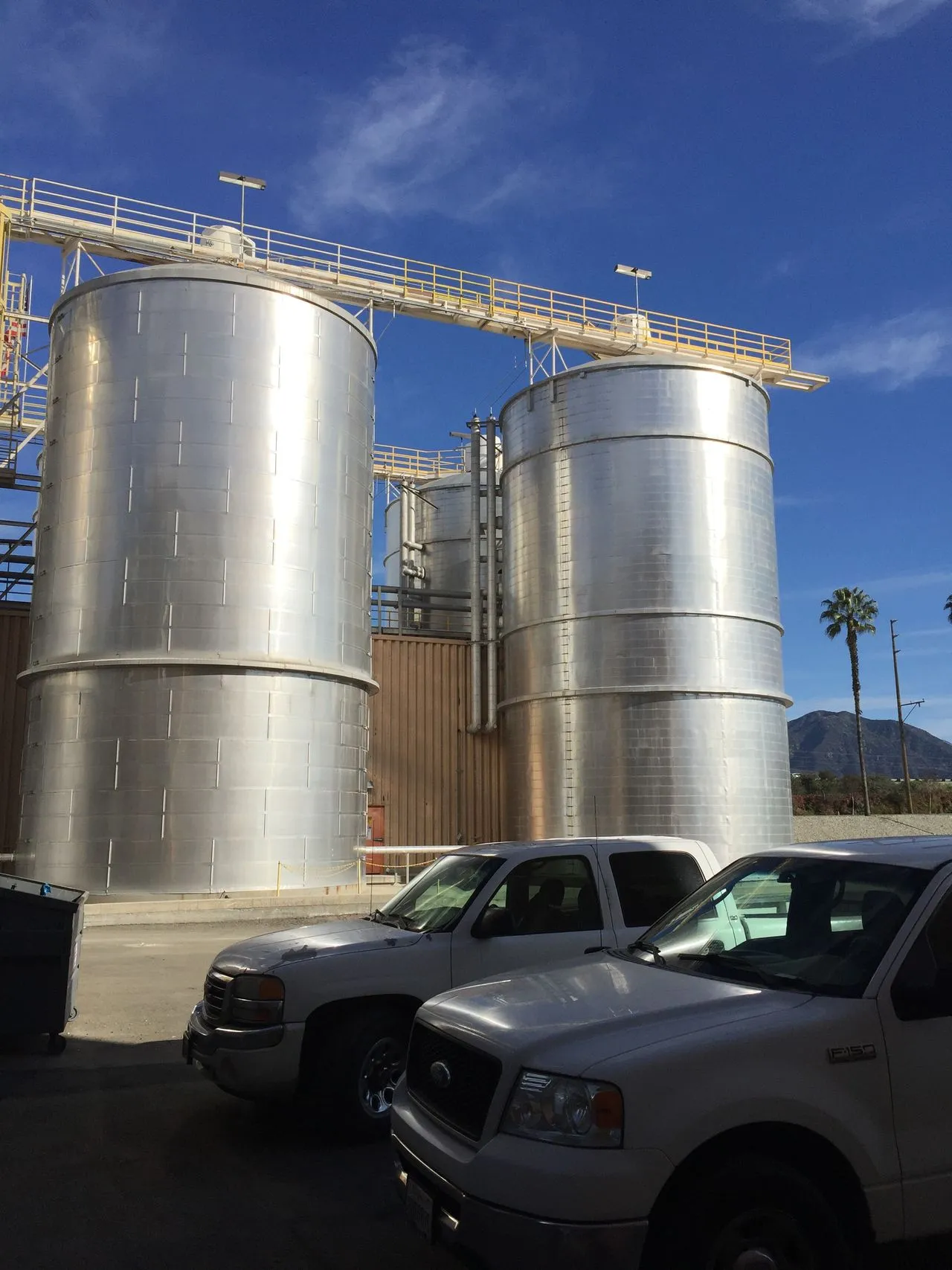
- • Tanks, vessels, valves, and fittings
- • Fabricated stainless steel assemblies
- • Post-weld and post-repair work
Common Questions
Does ASTM A967 require citric acid passivation?
No. The standard includes both citric and nitric passivation methods. Either is acceptable unless the customer specification requires a specific chemistry.
Does ASTM A967 apply to piping systems?
Yes. It is commonly specified for piping, fittings, vessels, tanks, and fabricated assemblies in addition to individual components.
Is testing always required under ASTM A967?
Not automatically. Testing requirements depend on the customer specification, quality system, or application. The standard defines the approved tests but does not mandate them universally.
Does ASTM A967 apply to existing equipment?
Yes. Passivation to ASTM A967 is regularly performed on existing systems during maintenance, repairs, shutdowns, and refurbishment, not only on new parts.