
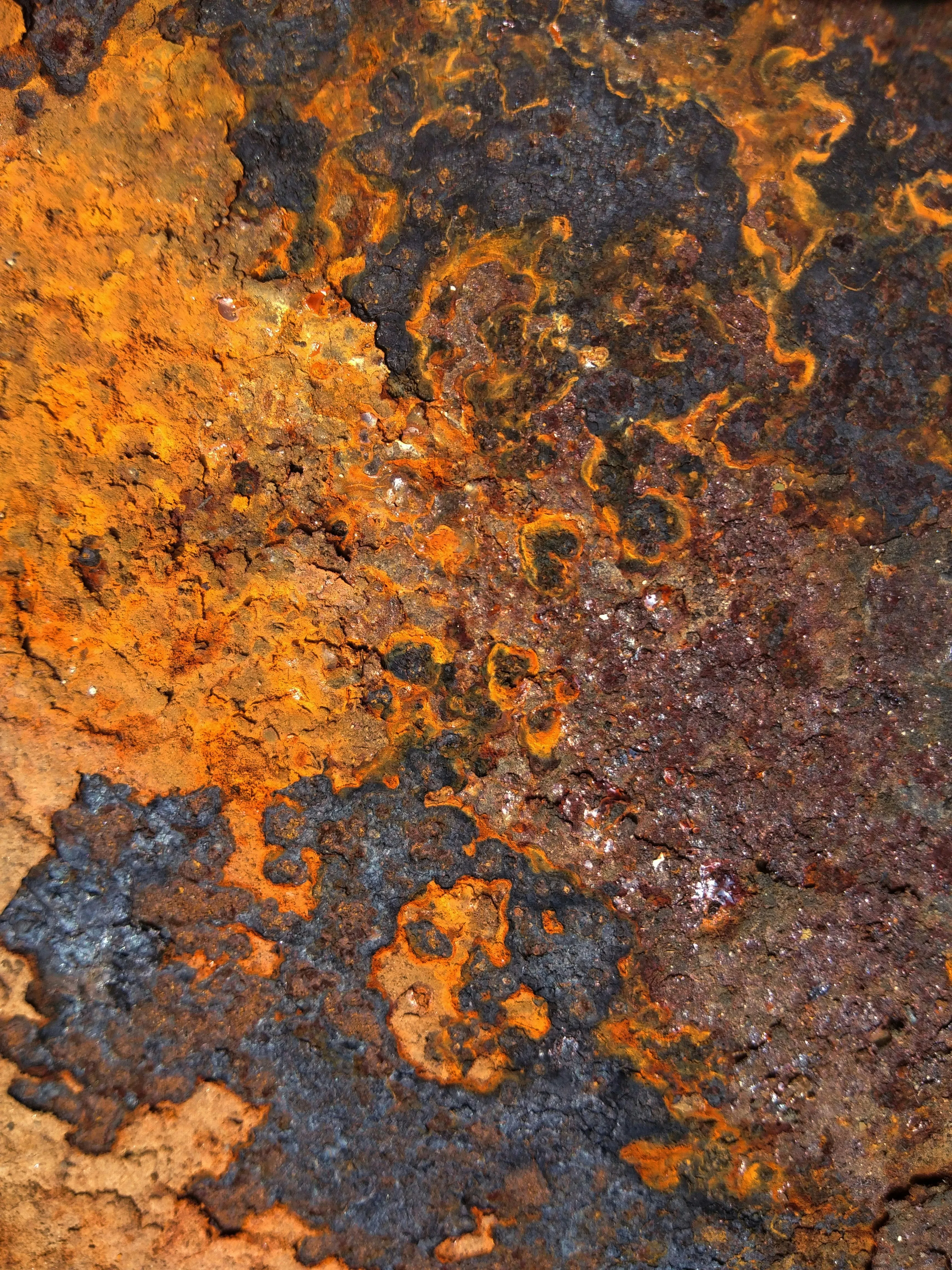
Can Stainless Steel Rust?
Yes. One of the most common misconceptions about stainless steel is that it cannot rust. While stainless steel is highly corrosion resistant, it is not completely immune.
Under the right conditions, stainless steel can develop rust, staining, pitting, crevice corrosion, and other forms of surface degradation. When rust appears, it usually means the protective passive layer has been compromised, contaminated, or damaged.
Understanding why stainless steel rusts is the first step toward preventing costly repairs, equipment failures, and premature replacement.
Why Stainless Steel Resists Corrosion
The corrosion resistance of stainless steel comes from chromium, an alloying element that reacts with oxygen to form a thin, invisible chromium oxide layer on the surface.
This passive layer acts as a protective barrier between the metal and its environment. When intact, it prevents corrosion from reaching the underlying material.
The problem is that this layer can be damaged, contaminated, or degraded over time. When that happens, rust follows.
What Causes Stainless Steel to Rust?
01
Free Iron Contamination
One of the most common causes of rust on stainless steel is contamination from ordinary carbon steel. Tiny iron particles become embedded in the surface and begin to rust when exposed to moisture. In many cases, the rust originates from the contamination rather than the stainless steel itself.
Common sources:
- • Carbon steel tools
- • Grinding wheels
- • Wire brushes
- • Fabrication equipment
- • Material handling
- • Shop environments
Passivation is commonly used to remove free iron contamination and restore corrosion resistance.
02
Welding and Fabrication
Welding exposes stainless steel to extremely high temperatures that can alter the surface condition. If these conditions are not properly addressed through cleaning, pickling, or passivation, corrosion resistance may be reduced. This is why many specifications require passivation after welding.
Common issues:
- • Heat tint
- • Weld scale
- • Oxide formation
- • Surface contamination
03
Chloride Exposure
Chlorides are particularly aggressive toward stainless steel. Over time, chloride exposure can lead to localized corrosion and pitting, especially in lower-alloy grades. Applications near the ocean or in chemical processing environments often require careful material selection and maintenance programs.
Common sources:
- • Saltwater
- • Coastal environments
- • Cleaning chemicals
- • Process chemicals
- • Municipal water supplies
04
Improper Cleaning
Not all cleaning products are suitable for stainless steel. Certain chemicals can leave residues or damage the passive layer. Using the wrong tools or products can introduce the very contamination you are trying to remove.
- • Chloride-containing cleaners
- • Abrasive cleaning methods
- • Contaminated cleaning tools
- • Residual process chemicals
05
Harsh Operating Environments
Many industrial systems operate in environments that continuously challenge the stainless steel surface. Even properly passivated equipment can experience surface degradation over years of exposure to aggressive conditions.
- • Chemical processing facilities
- • Pharmaceutical manufacturing
- • Food processing plants
- • Wastewater treatment
- • Marine environments
- • Power generation systems
06
Lack of Maintenance
Many people assume passivation is only for newly fabricated equipment. In reality, stainless steel systems benefit from periodic maintenance throughout their service life. Over time, surfaces accumulate process residues, repair work introduces new contamination, and the passive layer degrades.
Passivation is often performed during facility shutdowns, maintenance programs, system upgrades, and refurbishment projects.
Signs of Stainless Steel Corrosion
Corrosion does not always appear as obvious rust. Early warning signs can be subtle.
Identifying these conditions early can prevent more significant damage.
How to Prevent Stainless Steel Rust
- • Passivate after fabrication and welding
- • Remove heat tint and weld scale promptly
- • Use stainless-only tools and wire brushes
- • Avoid chloride-containing cleaners
- • Select the proper stainless steel grade for the environment
- • Perform routine surface inspections
- • Include passivation in preventive maintenance programs
Common Questions
Does passivation remove rust?
Passivation can remove light surface rust and free iron contamination. Heavy oxide scale, severe corrosion, or heat tint may require additional cleaning or pickling before passivation can be effective. The appropriate treatment depends on the condition of the surface and the application.
Can passivation be done on existing equipment?
Yes. Passivation is regularly performed on existing systems during maintenance shutdowns, refurbishment projects, and system upgrades. It is not limited to newly fabricated components.
How often should stainless steel be passivated?
There is no universal interval. It depends on the operating environment, process chemistry, and how aggressively the surface is challenged. In some industries, periodic passivation is part of a scheduled maintenance program.